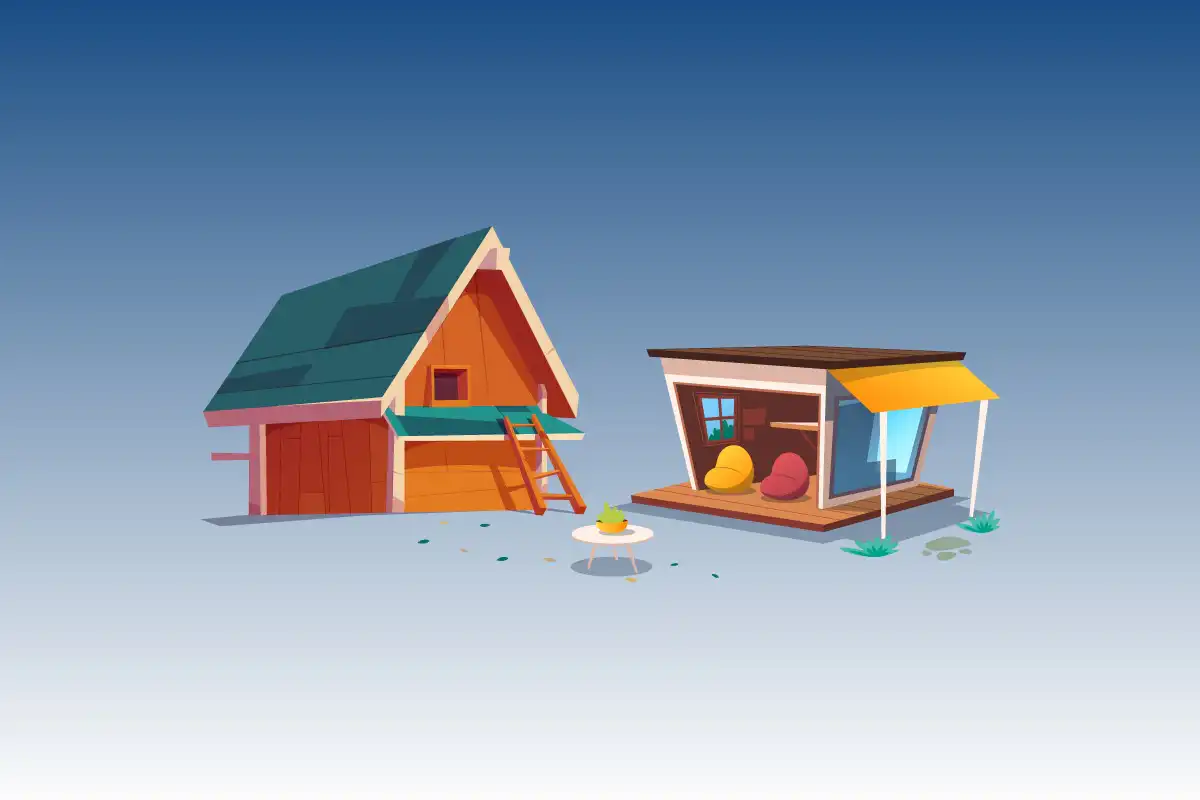
Are you planning a getaway that offers an idyllic yet adventurous experience ? You can find this type of accommodation in bungalows and cabins. Both offer a close connection with nature and can be great places to relax and disconnect.
However, it's important to note that they have different characteristics, and in European culture, the differences between bungalows and cabins are even more pronounced.
Both offer experiences in nature, but their styles, amenities, and locations cater to different travel expectations. Bungalows are typically designed for comfort and functionality, while cabins prioritize simplicity and a rustic ambiance.
Content
Cabins and bungalows as tourist destinations also share similarities. Both types of establishments must register their guests with the authorities in each area Check-in Scan platform, you can automatically check in guests at cabins and bungalows, as well as send the guest registration and securely to the relevant authorities.
Try the Check-in Scan app now
Create and register your Traveler Forms online and submit them directly to the authorities.

A bungalow is a type of dwelling, generally single-story, and in some cases, may have a small upper level or attic. This type of construction is common in tourist complexes, resorts, or campsites, and its design is usually functional and comfortable .
Originally inspired by colonial British India, bungalows have become popular as self-contained, single-story accommodations, perfectly integrated into campsites, resorts, or coastal destinations. They typically feature large windows and terraces and are especially accessible for families and people with reduced mobility.
Bungalows usually have a horizontal layout with common areas and several bedrooms spread across a single floor, providing privacy and independence for guests.
Depending on the type of complex, bungalows often share garden areas, swimming pools, and other facilities.
A cabin is a type of dwelling, usually rustic in style, that is typically located in natural environments such as mountains, forests, lakes, or beaches, giving it a special appeal for those seeking to disconnect from the urban hustle and bustle and enjoy nature .
Cabins are often built with natural materials, such as wood, stone, or logs, giving them a cozy and rustic feel. Although their style is rustic, tourist cabins are equipped with the amenities of any other tourist accommodation, such as heating, a kitchen, a private bathroom, and in some cases, internet access (depending on the location).
The interior design is comfortable and functional, with simple yet comfortable furniture, fireplaces, and decor that complements the natural surroundings.
The key difference lies in the architectural design, level of amenities, and location: the bungalow reflects a modern and functional concept, grouped in tourist areas, while the cabin is usually a traditional rustic construction located in remote areas
Although we often understand both constructions as having similarities, there are more differences than it seems:
Not all cabins are the same; we can find different types of cabins depending on their location:
Just as there are differences between the types of cabins, there are also differences between the different types of bungalows:
Lofoten Basecamp : Located in Norway, it's a fantastic destination for viewing the Northern Lights in summer.
The Garden Rooms : Near the town of Alnwick, this destination offers a fantastic combination of nature, quality accommodations, and design.
Trulli Soave : Located in Italy, Trulli Soave is in Alberobello, 1.2 km from Trullo Sovrano and 2 km from the Church of San Antonio de Trullo, and offers accommodation in traditional white stone cabins.
O Refuxio Dos Cebreiros : Located in Mazaricos, in the Galicia region, you'll find absolute tranquility in a completely natural setting.