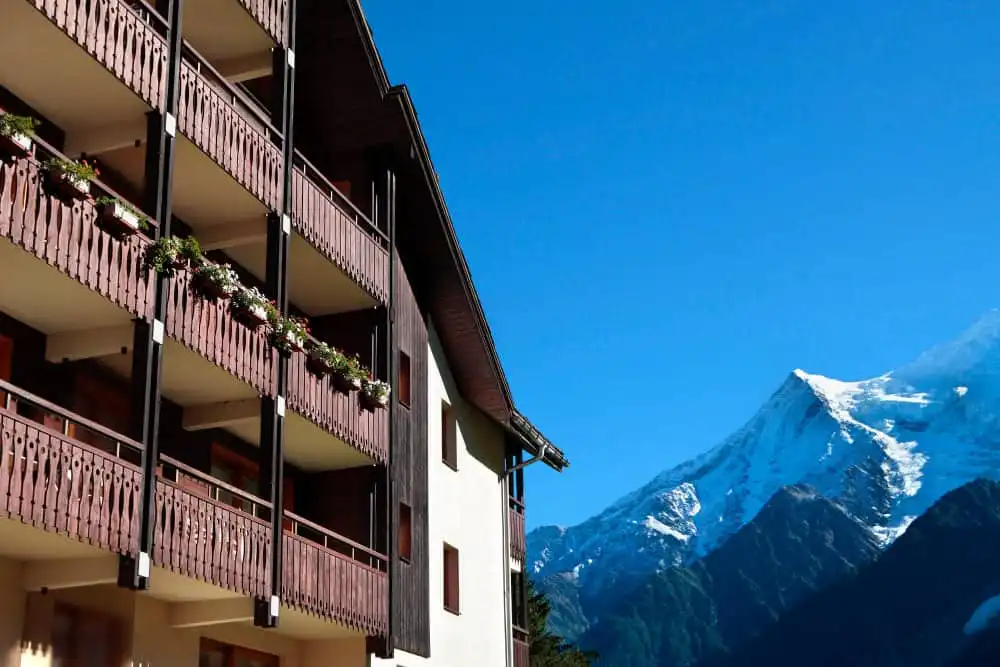
Currently, with the boom and progress of the tourism sector, there are increasingly more types of tourist accommodations to choose from for a hotel business.
Lodge-style hotels are very common options in rural areas and are increasingly popular with tourists seeking direct contact with nature and wanting to disconnect by engaging in activities in the countryside.
Content
A lodge is an accommodation located in natural settings such as national parks or rural areas. A lodge offers a closer experience to nature without sacrificing comfort. Lodges are typically designed with eco-friendly materials and architecture that blends seamlessly into the landscape, promoting sustainable tourism.
Try the Check-in Scan app
Do you have a Lodge type accommodation on any rural destination? It complies the traveller registration form with Check-in Scan .
By 2025, lodges are expected to strengthen their commitment to sustainable tourism, seeking official tourism sustainability certifications that validate responsible ecological and social practices, aligned with the UN's 2030 Agenda. This not only attracts more conscious tourists but can also facilitate access to grants for energy-efficient renovations and infrastructure modernization.



A lodge differs from a conventional hotel because it is usually more exclusive, with fewer rooms, and provides a more personalized experience connected with nature.
A lodge hotel is the perfect balance between comfort and nature . It's the ideal type of accommodation for those looking to enjoy activities in the countryside without sacrificing certain amenities.
Lodge-style accommodations in 2025 are committed to clean energy and water technologies, efficient waste management, and the promotion of local employment, contributing to a responsible tourism model. Furthermore, many lodges are incorporating incentives to encourage the consumption of local products and enhance cultural integration and value, creating a more authentic experience for guests.
Depending on their location and the activities they offer, there are different types of lodge hotels. The most common are the following:
Opening a lodge can be a very interesting and profitable business idea, although, like any venture, it has its pros and cons.
A lodge is a business with personality, which can become a special destination that people want to return to, creating a recurring service .
More and more people are seeking getaways from the hustle and bustle of the city, authentic experiences, and sustainable accommodations. By creating a charming lodge in a unique location, you can attract a clientele willing to pay for it. You can also offer services alongside the accommodation, such as hiking, wildlife viewing, spa treatments, themed dinners, or adventure activities. This allows you to increase the value of each booking and differentiate yourself from traditional hotels.
In countries within the European Union, there are incentives for ecotourism related to compliance with the 2030 Agenda. In addition, there are travelers willing to pay more for sustainable and exclusive accommodation .
Since this is a project in a natural setting, you'll need to comply with environmental and tourism regulations , which can involve time and bureaucratic procedures. Furthermore, acquiring land in a natural environment , constructing the facilities, and equipping it with everything necessary can require a considerable sum. There are also long-term maintenance and staffing costs .
Success will largely depend on being in an attractive yet accessible location. If the accommodation is too remote , attracting tourists can be quite challenging, and logistics can become complicated. For this reason, it's important to consider whether the accommodation will be open year-round or only during specific seasons.
It is worth noting that implementing environmental regulations and obtaining green certifications can pose a bureaucratic challenge and require a high initial investment; however, this investment translates into greater added value and profitability, aligning with the growing demand for ecological and sustainable tourism observed in 2025.