
Tourism seasonality is one of the most recurring challenges for destinations , accommodations , and businesses in the sector. It refers to the variation in tourist demand throughout the year, generating marked peaks in certain seasons (such as summer or Christmas) and significant drops in others.
This phenomenon has significant economic , social , and logistical , affecting business profitability employment , and the sustainability of the destination. Seasonality in tourism refers to cyclical in the number of visitors to a destination or establishment , depending on the time of year. This fluctuation can be:
Although it may seem like a natural pattern, seasonality poses a major operational challenge for the sector, which must adapt to these drastic changes.
Content
Tourism seasonality is due to a combination natural , social , and economic factors . The main causes include:
The climate determines the appeal of a destination. In summer , the beaches, and in winter , the snow, generate seasonal flows that are very easy to identify.
School and work calendars greatly influence demand. Many families can only travel during July , August , Easter , or Christmas .
In some cases, the destination's own strategy or the companies' strategies reinforce seasonality by promoting only certain periods of the year.
Seasonality not only implies radical in employment, but also affects many other aspects of the industry . Some of its most relevant consequences are:
Managing seasonality does not mean eliminating it , but reducing its impact and making better use of resources throughout the year.
Here are some effective strategies:
Offering different depending on the season could include: gastronomic routes in autumn, wellness tourism in winter, or cultural festivals in spring. This involves adapting the range of tourist accommodations to each profile and season.
Organizing events during the off-season (conferences, trade fairs, festivals) attracts visitors outside of peak periods MICE tourism allows for attracting visitors outside of peak times and distributing demand.
Promote weekend or long weekends to attract domestic tourism during less busy times.
Exclusive offers in the off-season to encourage occupancy, with strategies such as changing the price.
Technology can be a great ally in predicting demand flows , automating processes , and improving operational efficiency during - peak seasons. One of the most useful solutions in this regard is Check-in Scan .
Ready to tackle seasonal tourism with intelligence and efficiency?
Try the Check-in Scan app now
Automate the online check-in and make guest registration with the Ministry of the Interior quick and easy.
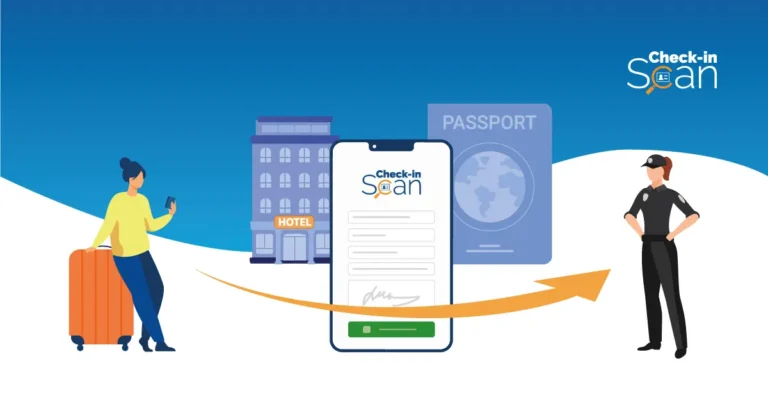
peak season , the workload multiplies . Staff are under pressure , there are more arrivals , more check-ins , and more demands . This is where a tool like Check-in Scan makes all the difference.
With Check-in Scan you can:
In the off-season, Check-in Scan remains useful because it allows for efficient processes with fewer operational staff, optimizing resources and maintaining the standard of quality .
The fight against seasonality cannot be solved in a single season. It requires planning , a long-term vision , public-private collaboration , and technological support . The key lies in building resilient destinations capable of offering experiences year-round. Businesses and accommodations that adopt digital tools like Check-in Scan not only improve their operations but also gain in sustainability , reputation , and profitability .